Flexo vs Litho Printing: How to Choose the Right Method
Trying to decide between flexo and litho printing? We break down how they actually differ on cost, quality, and run length, and give you a simple way to pick the right one for your next job.
 Tavishi
Blog article content
Flexo vs litho printing comes down to one core trade: flexo prints directly from a flexible plate, which makes it fast and economical for long runs on almost any surface, while litho is an offset printing process that delivers finer detail and more accurate color on flat stock. The right pick usually comes down to four things: run length, substrate, detail, and budget.
Flexo vs litho printing: the short answer
Choose flexo for high-volume runs, flexible or non-flat substrates, and jobs where speed and unit cost matter more than fine detail. Choose litho when you need sharp images, accurate color, and a premium finish on flat stock, and the run is large enough to cover a higher setup cost. Most flexo vs litho printing decisions come down to that trade between run economics and image quality, , and once the method is set, a web to pack solution helps packaging teams turn approved designs into print-ready files for either press.
Factor | Flexo | Litho |
|---|---|---|
Process type | Relief, prints directly | Offset, prints indirectly |
Plate | Flexible photopolymer | Aluminum |
Ink | Water-based, solvent, or UV | Oil-based |
Best substrates | Film, foil, paper, corrugated, non-woven | Smooth flat paper and board |
Image detail | Good, and strong with modern HD flexo | Highest, best for photos and fine detail |
Setup cost | Lower | Higher |
Cost at high volume | Very low per unit | Low per unit, higher to start |
Typical run length | Medium to very long | Medium to long |
Common uses | Labels, flexible packaging, corrugated | Cartons, premium boxes, detailed graphics |
What is flexo printing?
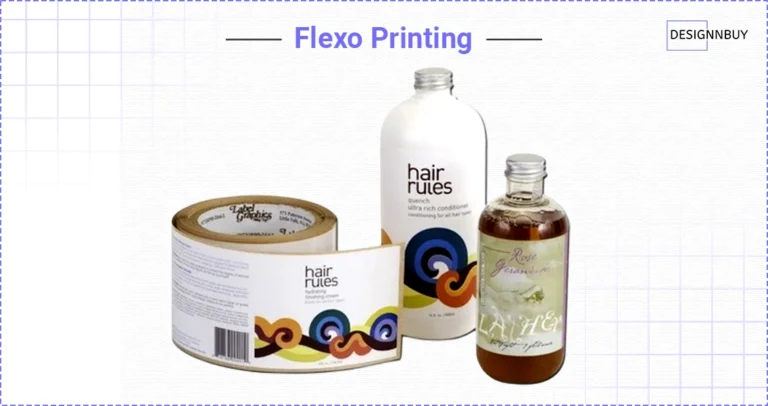 Flexo (flexography) is a relief method that prints ink directly onto the material using a flexible plate. Think of the plate as a stamp that carries a raised version of your design.
How it works, in short:
The photopolymer plate holds the raised image.
An anilox roll (a cylinder covered in tiny ink-holding cells) meters an even layer of ink.
The plate presses ink straight onto the surface, then it dries fast.
Best known for: labels, flexible packaging, and corrugated boxes, especially at high volume.
What is litho printing?
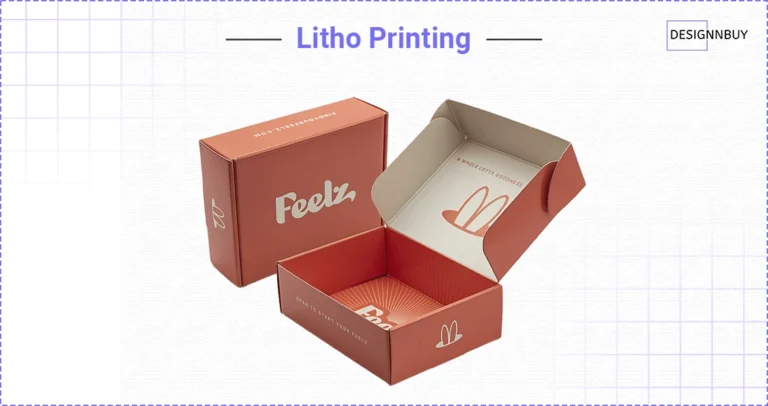 Litho (lithography) is an offset method where the image transfers twice before it reaches the material. The plate never actually touches your stock.
The path the ink takes:
Plate → rubber blanket → material.
That blanket step is what “offset” means, and it is what lets litho hold very fine detail and tight color.
The catch: litho needs a smooth, flat surface to work well. For boxes there is a related option, litho-lamination, covered in its own section below because it confuses a lot of buyers.
Flexo vs litho printing: the key differences
Cost
The cheaper method flips with run length.
Litho: higher setup cost (plates and press prep take time and money).
Flexo: cheaper plates that reuse many times, so per-unit cost stays very low on long runs.
Rule of thumb: short jobs favor litho’s quality only if you can absorb setup; high volumes favor flexo on total cost.
Image quality and detail
Litho leads on fine detail; flexo is close enough for most work.
Litho holds small text, smooth gradients, and accurate color, ideal for photos and busy artwork.
Flexo has narrowed the gap with HD plates and is more than enough for most labels and packaging.
If your design depends on photo-grade reproduction, litho is the safer call.
Substrates
Flexo prints on far more surfaces, which is its biggest practical edge.
Flexo: porous and non-porous materials, including film, foil, paper, non-woven, and corrugated, even uneven surfaces.
Litho: needs smooth, flat stock to press the image cleanly.
Printing on flexible film or straight onto corrugated? Flexo is built for it.
Ink and drying
Different ink systems, and that affects speed.
Litho: oil-based inks, rich color, slower to dry.
Flexo: water-based, solvent, or UV inks; UV dries fast under a lamp.
Faster drying means faster runs, part of why flexo suits high-volume work.
Speed and run length
This is usually where the decision lands.
Flexo: faster once set up, stays economical as volume climbs. Default for long and very long runs.
Litho: slower to set up and run, best for medium to large runs where quality earns the time.
Short runs: often suit neither, which is where digital comes in.
Litho-lamination vs direct flexo on corrugated packaging
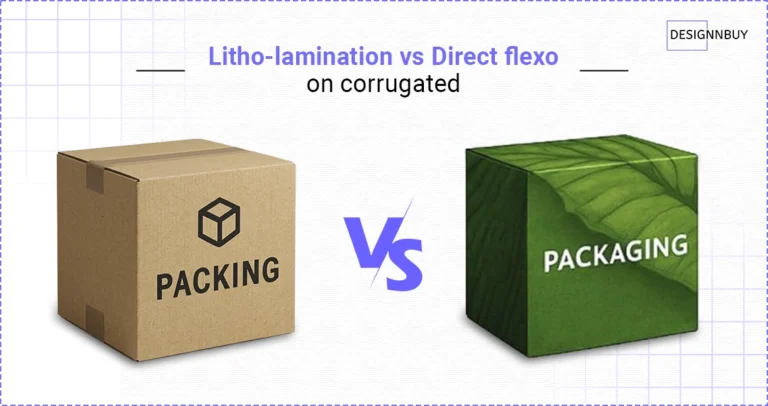 For corrugated boxes, the real choice is litho-lamination versus direct flexo, and they look very different.
Litho-lamination: design is printed on a flat sheet with litho, then laminated onto the board. Photo-quality, premium finish.
Direct flexo: prints straight onto the board in one pass. Faster and cheaper, less detail.
When to use which:
Litho-lam for retail or unboxing pieces that need to look premium.
Direct flexo for shipping-focused boxes with simple artwork and high volume.
Printing on corrugated specifically?
Flexo and litho are only half the picture for boxes. Our full corrugated box printing guide covers materials, finishes, and how to spec a box that prints clean and ships safe. Read the corrugated box packaging and printing guide→
Where does digital printing fit?
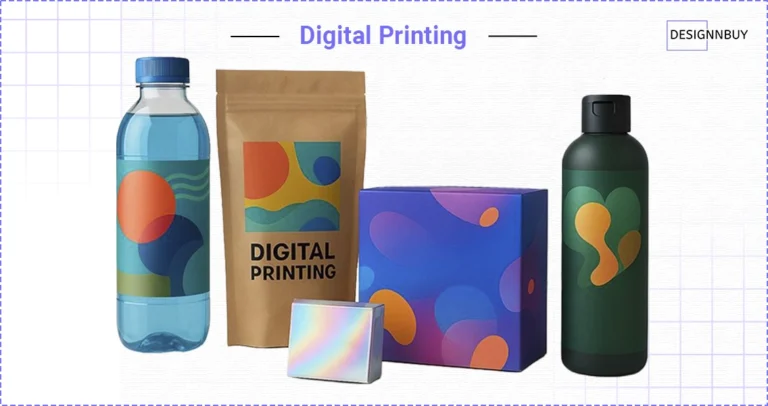 Digital printing is the third option, and it shines on short runs.
No plates, so setup cost is near zero. Ideal for prototypes, short runs, and versioned or personalized designs.
Fast turnaround, since there is no plate prep.
The trade: per-unit cost stays flat as volume grows, so digital loses its edge on long runs where flexo or litho pull ahead.
Flexo or litho printing: which should you choose?
Match the method to run length and substrate first, then to finish.
Choose flexo when runs are medium to very long, you print on film, foil, or corrugated, and cost and speed beat fine detail.
Choose litho when you need sharp images and accurate color on flat stock, the run covers setup, and the finish must look premium.
Consider digital when the run is short, you need fast turnaround, or you want versioned or personalized pieces without plate costs.
One rule to remember in flexo vs litho printing: substrate and volume decide the method, finish decides the tie.
Why your artwork matters more than the method
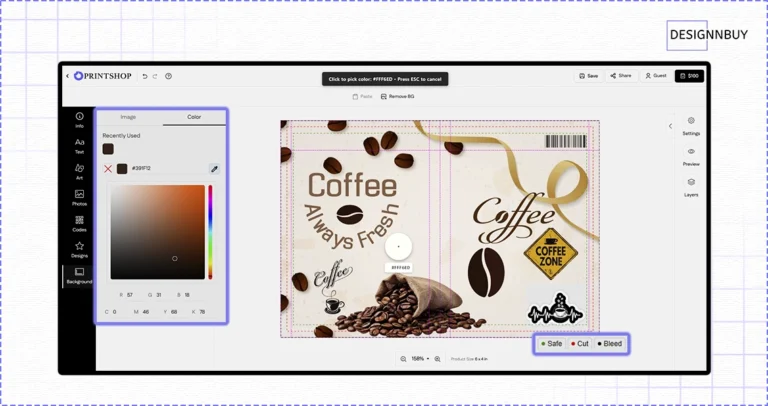 Whichever side of the flexo vs litho printing decision you pick, the file has to be print-ready, or you pay for it in proofing rounds and reprints.
Both flexo and litho need:
A correct dieline, so the design folds and trims where it should.
Enough bleed, so no white edges show after cutting.
The right color setup, whether that is CMYK vs RGB process or specific spot colors.
A couple of method-specific notes:
Flexo has tighter registration tolerances on some jobs, so trapping and fine text need care.
Litho reproduces mistakes in fine detail just as faithfully as it reproduces good work.
Bottom line: a clean, dieline-accurate file moves through prepress without the back-and-forth that holds jobs up, which saves more than any single press decision.
Not sure what a dieline actually is?
The dieline is the blueprint that tells the press where to cut, fold, and crease. Get it wrong and the whole job suffers, on flexo or litho. Our guide breaks down what a dieline is and how to set one up right. Read the dieline guide →
The Bottom line on flexo vs litho printing
There is no single winner here, and that is the point. Flexo earns its place on long runs, flexible and non-flat materials, and jobs where speed and unit cost lead. Litho takes over when fine detail, accurate color, and a premium finish matter, and the run is big enough to cover the setup. Digital fills the gap on short runs and versioned work. Match the method to your run length and substrate first, let the finish settle any tie, and the right call usually picks itself.
What rarely changes is the part that sits before the press. A correct dieline, enough bleed, and the right color setup decide whether a job runs clean or bounces back through proofing, and that is true whether you print flexo or litho. This is the quiet layer where tools like DesignNBuy do their work, helping teams turn customer designs into print-ready files long before the method is chosen, so the same clean artwork is ready to run on either press. Get the file right, and flexo or litho both do their best work.
Frequently Asked Questions
Flexo or litho, is your artwork actually ready for either?
Tavishi
Content Writer at @DesignNBuy
Tavishi is a content writer at @DesignNBuy, focused on the web to print industry. She creates well researched, easy to read content that helps print businesses understand digital solutions, product customization, and modern printing workflows.
All PostsRelated Posts
Trusted by 2000+ Print Businesses
Ready to See It in Action?
Explore our print shop platform at your convenience. Request a demo URL to experience the storefront, design tool, pricing, and much more.