Custom Banner Printing Online: Compare Materials, Sizes, and Uses
 Ajay
Ajay
Blog article content
Custom banner printing online is changing how large-format print businesses manage banner orders. With the right web to print software, customers can choose sizes and materials easily, while printers stay in control of specs, accuracy, and timelines. That’s why many print businesses compare the best web to print softwares before setting up their banner printing workflows.
That’s why more print providers are moving banner ordering to structured digital workflows. But mistakes still happen.
Not all banner materials perform the same. A vinyl banner may not suit windy locations. A fabric banner may not work for heavy outdoor use. Size, material, and placement matter, and wrong choices can lead to reprints.
In this guide, we’ll cover the most common banner materials, standard and custom sizes, and where each works best. If you print banners at scale, this will help you reduce errors and create production-ready orders from the start.
Let’s break it down.
What Is Custom Banner Printing?
The process of creating banners according to your precise specifications—size, material, design, and finish—based on where and how they will be used is known as custom banner printing.
Instead of selecting a generic, pre-made banner, companies can alter the dimensions, artwork, and mounting choices to make sure the finished product precisely suits their needs and available space.
The majority of online banner printing services provide a variety of customizing choices, such as: material choices, flexible sizes, finishing options, and print specifications. That’s why businesses have started ordering custom banners online. Let us explain how you can do that.
Types of Custom Banners You Can Print Online
Trends in the banner printing industry come and go, but there are 4 main types of banners. The features of all the 4 banners vary. Where it will be used, how long it must last, and how it should look all play a role in selecting the best one.
Vinyl Banners
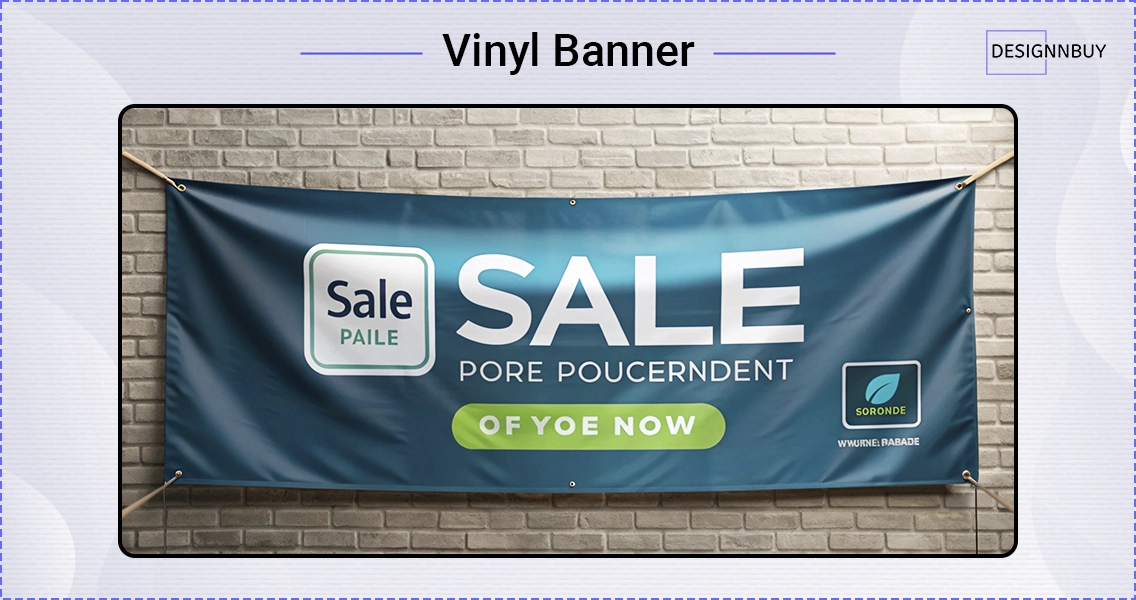 The most popular choice for both interior and outdoor advertising is vinyl banners.
Sturdy and resistant to weather
Ideal for outdoor events, sales, and stores
Both gloss and matte finishes are available
Effective for short- to medium-term campaigns
Mesh Banners
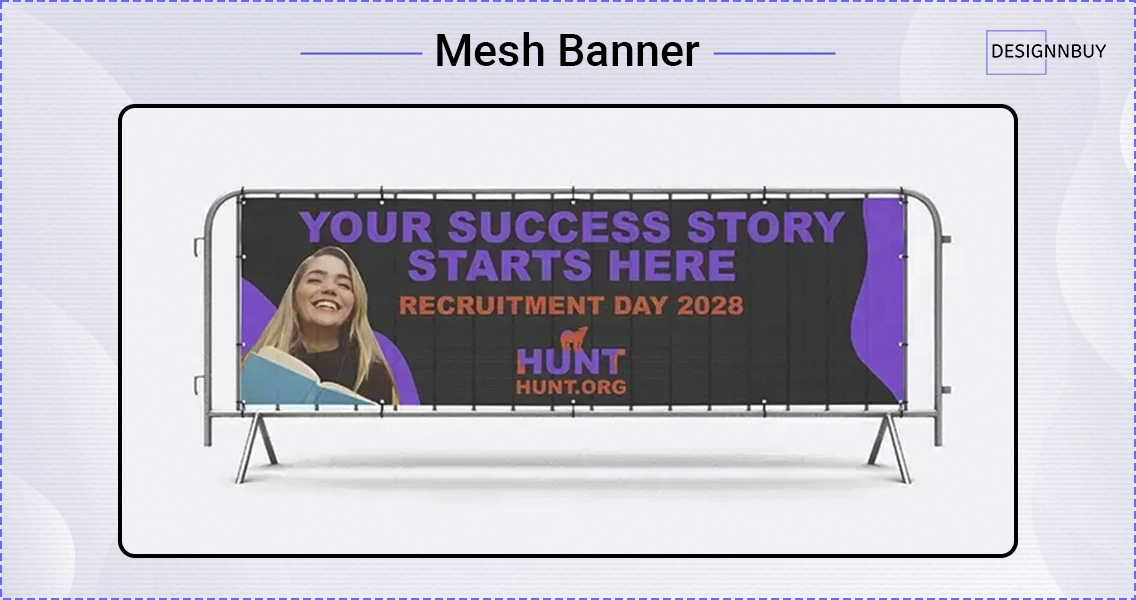
Mesh banners are made for outdoor spaces where there is a lot of wind.
Air may flow through tiny holes
reduces tearing in windy places
Perfect for building wraps, scaffolding, and fences
Ideal for outdoor large-format advertising
Fabric Banners
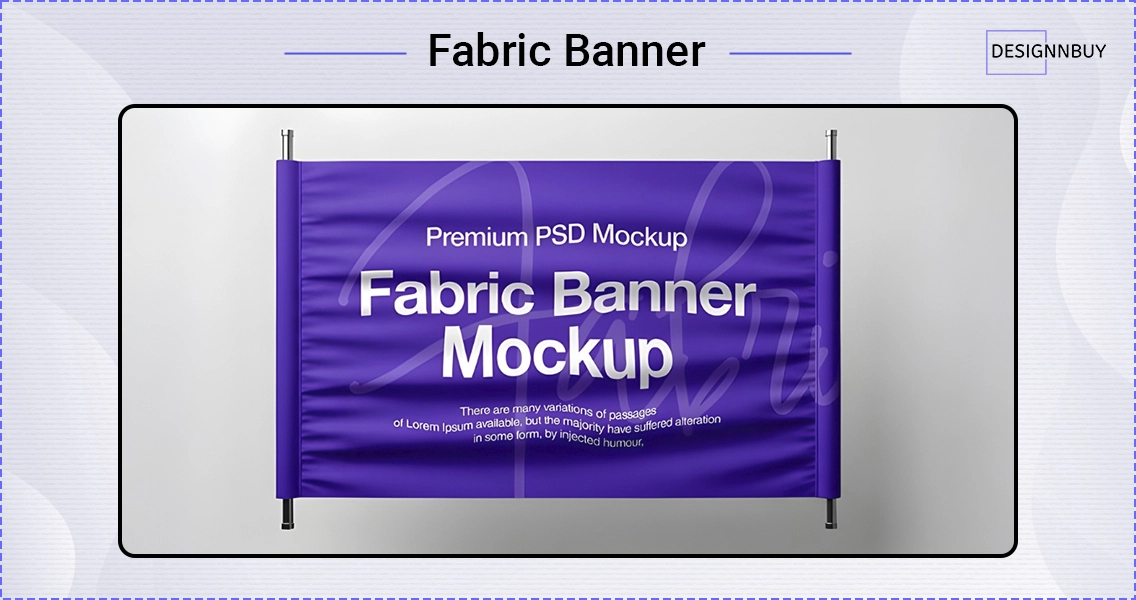
Fabric banners provide a high-end, polished look.
It is lightweight and has a smooth, glossy surface
High brightness of colour for indoor use
Simple to fold, carry, and store
Frequently utilized at conferences, retail establishments, and exhibitions
Retractable / Roll-Up Banners
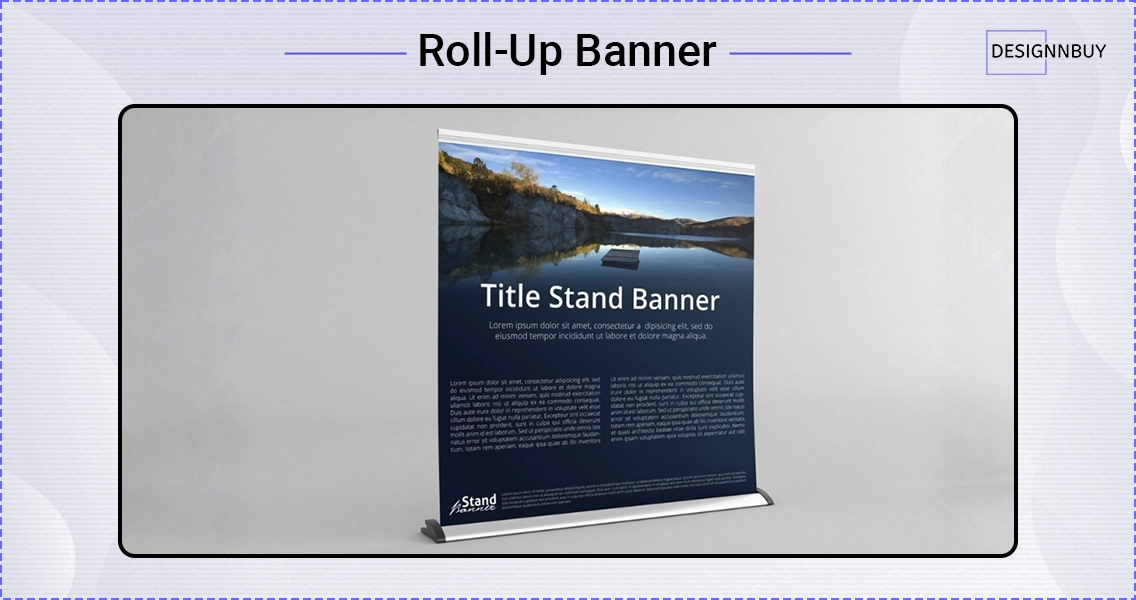
Retractable/ roll-up banners are designed to be portable and easy to set up.
Self-contained stand featuring a roll-up system
Reusable and portable
Perfect for lobbies, presentations, and trade exhibits
Ideal for transient or often changing displays
Fast Recap: Each type of banner is intended for a certain setting; making the right decision helps prevent damage, reprints, and unnecessary expenditure.
Comparing Banner Materials: Which One Fits Your Use Case?
Not all banner materials perform similarly. The best option depends on where the banner will be displayed, how long it needs to last, and the impression you want to make.
Here’s how to assess them:
Material Type | Durability Level | Indoor / Outdoor | VisualAppeal | BudgetRange | Use Case | Key Advantage |
1. Vinyl Banners | High | Both | Medium | Low | Promotions, storefronts, events | Cost-effective and weather-resistant |
2. Mesh Banners | Very high | Outdoor | Medium | Medium | Windy outdoor locations, fences | Allows airflow to reduce tearing |
3. Fabric Banners | Medium | Indoor | High | Medium- High | Exhibitions, retail displays, branding | Premium look with vibrant colour output |
4. Roll- up Banners | Medium | Indoor | High | Medium | Trade shows, presentations, conferences | Portable and reusable display system |
The Takeaway: Aligning the banner material with its use case and other criteria mentioned above helps you avoid reprints, save money, and attract more attention to your signage.
Standard Banner Sizes and Custom Sizing Options
Most online banner design software provide a range of common sizes to make ordering easier and reduce turnaround time. These sizes are suitable for most applications and may be easily previewed online.
Common banner sizes you will see online:
2 ft × 4 ft – Small promotions, counters, and indoor displays
3 ft × 6 ft – Storefronts, events, and directional signage
4 ft × 8 ft – Outdoor advertising and large visibility areas
5 ft × 10 ft – Backdrops, stage branding, and large-format messaging
But here’s the catch: typical sizes do not always fit in real-world locations.
When custom sizing makes more sense:
You are covering fences, railings or building facades
The banner should fit a certain frame or stand
You want edge-to-edge visibility without cutting the content
How to choose the right size:
Longer viewing distances result in larger text and banner sizes
Indoor close-up viewing requires smaller, sharper formats
Outdoor installation requires extra space for wind movement and readability
Quick tip: If viewers cannot read your banner within 5 seconds, it is definitely too small.
Common Uses of Custom Banners Across Industries
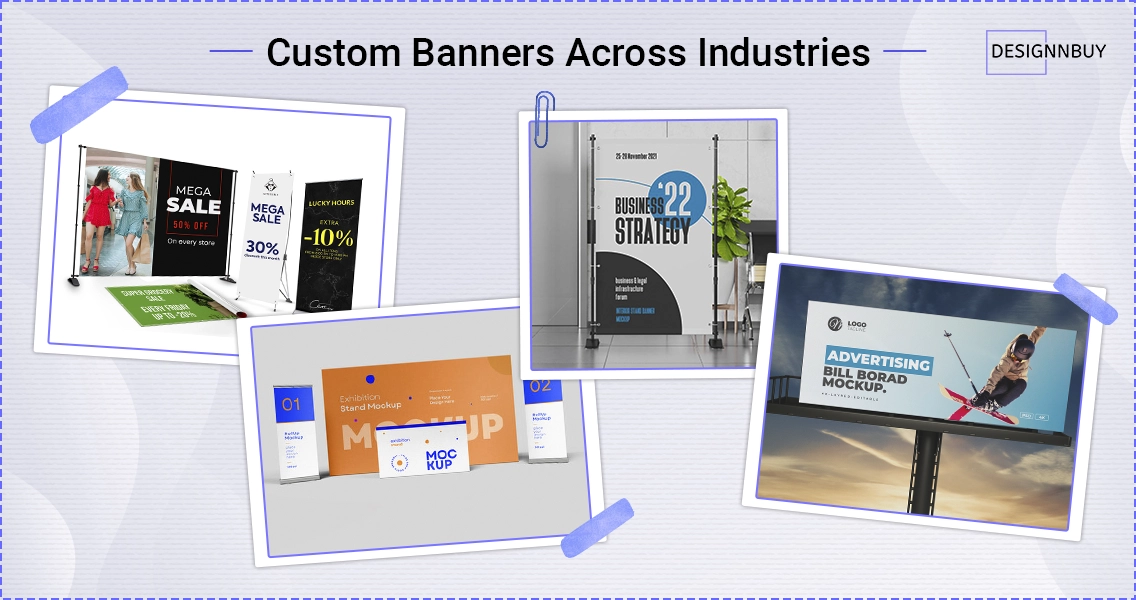
Custom banner printing tools are widely utilized in a variety of industries due to their flexibility, visibility, and ease of installation. When correctly printed online, they scale effectively for single or multi-location campaigns.
Retail promotions and storefronts
Sale news, new launches, and seasonal offerings
Window displays and store branding
Temporary signs that can be updated periodically
Events, trade shows, and exhibitions
Booth backdrops and aisle signage
Retractable banners for quick setup and reuse
Directional banners to guide foot traffic
Corporate branding and internal signage
Office branding and welcome areas
Internal campaigns, town hall meetings, and presentations
Use fabric or roll-up banners for a more professional appearance
Outdoor advertising and public events
Street promotions, festivals, and community activities
Fence and barricade banners made from vinyl or mesh
High-visibility messaging intended for distance viewing
The key is to choose a banner type and size that is appropriate for the intended application.
Powering Custom Banner Printing Workflows with DesignO
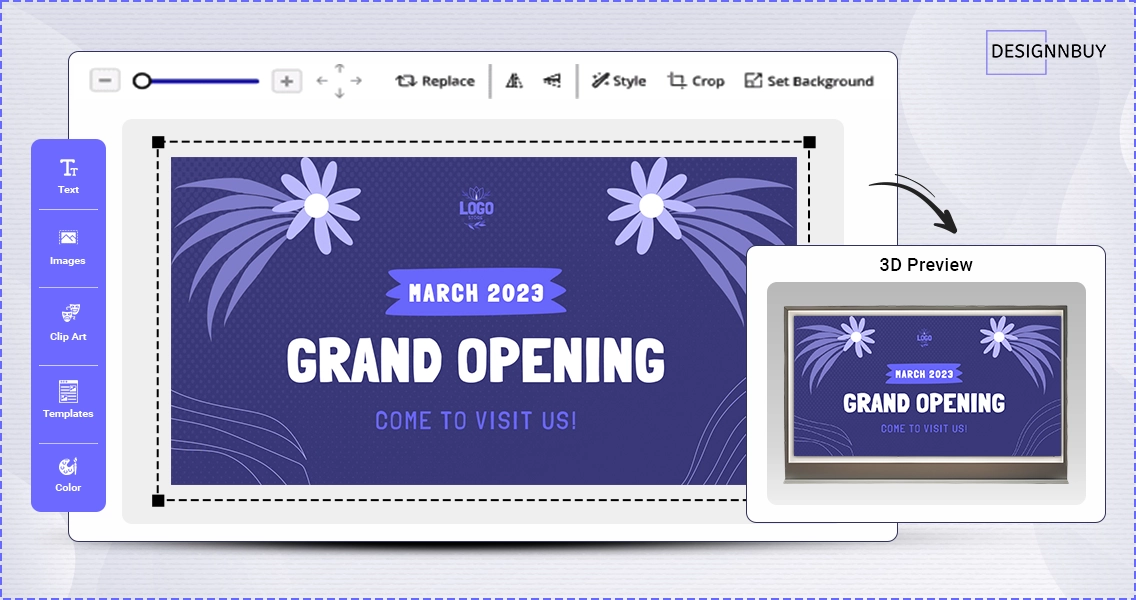
When banner products involve variable sizes, materials, and finishing options, managing orders manually can become complex. Structured product configuration and pricing logic help print businesses reduce errors and maintain consistency.
DesignO is a web-to-print software platform that enables print providers to configure and manage custom banner printing workflows through their eCommerce storefronts.
How DesignO Supports Banner Printing Workflows
Enables configurable banner products with custom width and height inputs
Supports material and finishing options defined by the print provider
Allows pricing based on quantity or square area
Maps printed side selections to corresponding artwork upload sections
Centralizes product setup within a single administrative interface
Design Validation Before Production
Canvas dimensions dynamically adjust based on selected banner size
Safe lines and cut lines guide artwork placement
3D previews help users review layout before submission
Print-ready output files are generated according to configured production profiles
Managing Scale More Efficiently
Multiple banner orders can be processed within the same system
Order, job, and artwork details are stored in a centralized dashboard
Defined print workflows reduce manual intervention during order processing
The result is a more structured order management — particularly useful for print businesses handling large-format or high-volume banner products.
How to Choose the Right Banner When Ordering Online
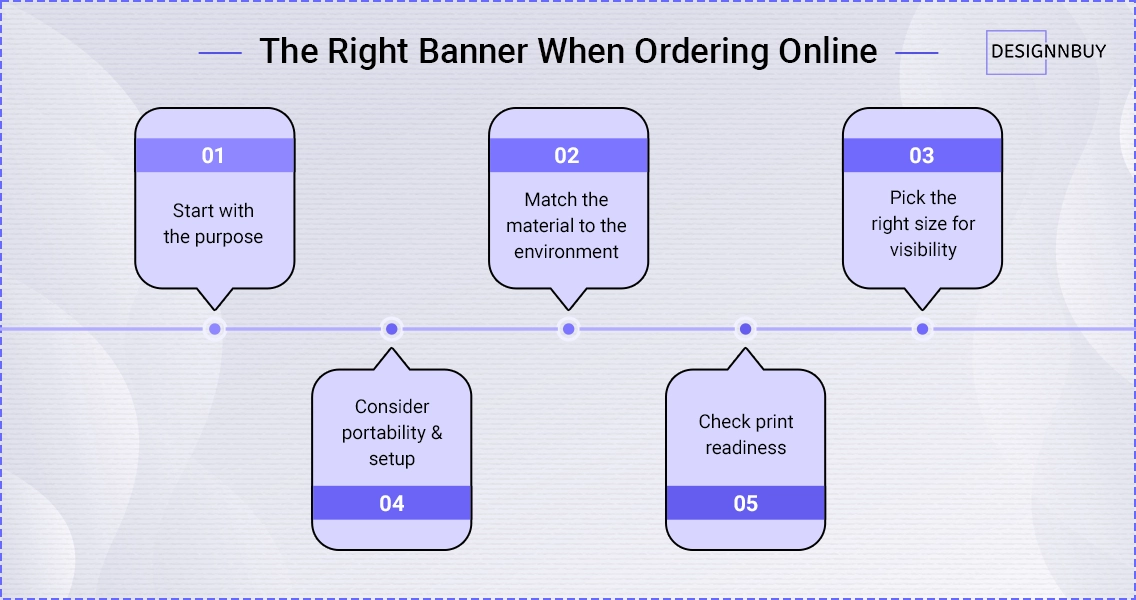
Choosing a suitable banner online is not just about design; it must also be appropriate for its purpose, placement, and lifespan. A few practical checks early on can prevent reprints and problems later.
1. Start with the purpose
Promotions, branding, directions, and events
One-time or recurrent campaigns
2. Match the material to the environment
Outdoor use: vinyl or mesh for durability
Indoor use: consider using fabric or retractable banners for a refined look
3. Pick the right size for visibility
Larger spaces require larger banners and bolder writing
A close look enables smaller sizes and better detail
4. Consider portability and setup
Retractable banners for convenient transportation
Fixed banners for long-term placement
5. Check print readiness
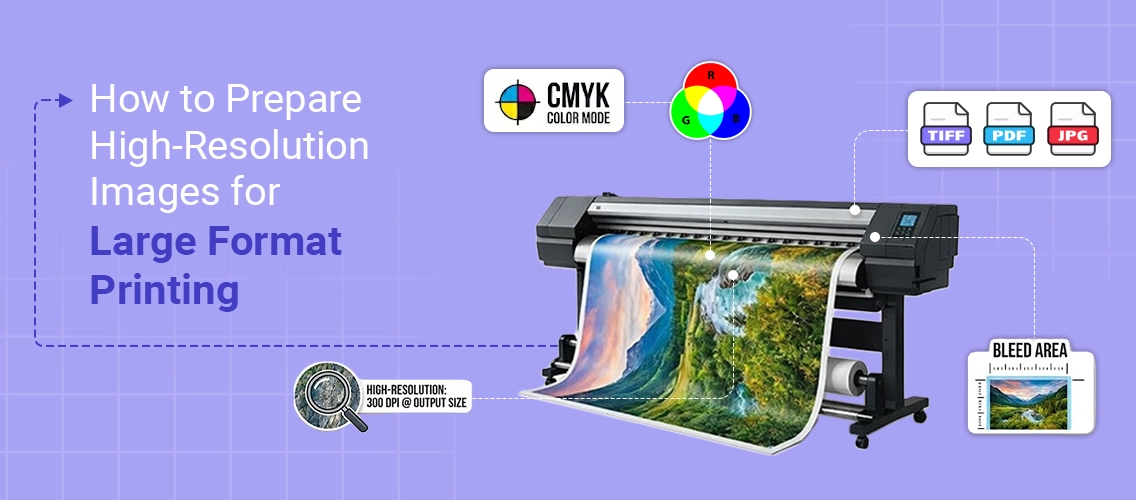
Confirm the resolution, colour bleed, and file format. A clear understanding of how to prepare images for large format printing helps avoid file rejections at this step.
Use 3d product configurator to make sure nothing goes outside the print area
A well-chosen banner prints well, installs easily, and conveys the message without guesswork.
Final Thoughts: Making the Right Choice with Custom Banner Printing-Online
Online custom banner printing helps businesses move faster and offer more options without manual coordination. The key is choosing the right material, size, and setup from the start.
When banners are configured correctly, they last longer, look better, and reduce reprints. Structured workflows standardize specs, artwork, and approvals. Platforms like DesignNBuy help print providers manage this process efficiently — improving turnaround time and keeping production predictable at scale.
Frequently Asked Questions
Make Custom Banner Orders Simple for You and Your Customers
Ajay
Content Writer @DesignNBuy
Ajay Kalal is a content writer @DesignNBuy, specializing in the web to print industry. He creates clear, practical content that helps print businesses understand technology, personalization, and digital growth.
All Posts
Trusted by 2000+ Print Businesses
Ready to See It in Action?
Explore our print shop platform at your convenience. Request a demo URL to experience the storefront, design tool, pricing, and much more.